June 5, 2026
This article will guide Airstream enthusiasts through the seasonal modifications necessary to prepare their trailers for either winter or summer travel. From insulation to cooling systems, understanding Airstream modifications can enhance comfort and safety during your journeys. Let's delve into comprehensive strategies for seasonal preparation, ensuring your Airstream is ready for any weather conditions. In the following sections, we will cover essential Airstream modifications ranging from insulation to power management, each aimed at offering optimal comfort during your travel adventures. Whether you are tackling the tundra or exploring the deserts, these modifications will secure your travel plans.
Insulation and Weatherproofing
Choosing the Right Insulation Materials
When preparing an Airstream for winter travel, choosing the right insulation materials is crucial. Closed-cell spray foam is a popular choice as it offers excellent R-value and acts as a barrier against moisture intrusion. Another effective material is rigid foam panels, which are easy to install and provide good thermal resistance. It's important to pay attention to the R-value, ensuring it meets the needs for both cold and warm weather insulation. Consider the thickness and weight, as substantial material could add to the trailer's mass—essential information for those piloting models like the 2026 Airstream Atlas, which boasts a GVWR of 12,125 pounds, according to RV News.
Weatherproofing Seals and Gaskets
Weatherproofing your Airstream is essential to keep elements like rain, wind, and snow at bay. Carefully inspecting and replacing worn-out seals and gaskets around windows, doors, and storage compartments will prevent unwanted leaks. Silicone sealants are particularly effective for filling gaps and providing a weather-tight barrier that lasts for years. Routine inspection of seals should be a part of your maintenance strategy, focusing particularly on areas exposed to significant wear. Handling these preparations ahead of travel ensures you avoid unexpected surprises when venturing into harsh climates.
Window Film and Treatments
Window films are dual-season Airstream modifications that serve as an additional layer of insulation during winter, while reflecting heat away from the interior in the summer. Various types, such as reflective, tinted, and insulating films, offer multiple levels of protection depending on the climate you're dealing with. Applying these films can boost your privacy and temperature control without the need for more extensive window replacements. Consider adding blackout or thermal curtains to enhance the effect provided by the window films. This combination not only manages temperature but also enhances energy efficiency, crucial when operating off-grid or conserving power.
Floor Insulation Techniques
Insulating the floor of your Airstream is another effective strategy for managing heat loss and gain. Rigid foam insulation placed under the flooring can offer substantial thermal resistance, keeping your interior environments stable. Cork flooring offers a natural insulating option along with noise reduction benefits, aiding in a cozier atmosphere. Preventing drafts through the floor is crucial in colder climates, as heat naturally rises and cooler air can seep in. This modification is vital to ensure that your flooring does not become a weak point in your thermal management strategy.
Roof Insulation Enhancements
The roof is a significant area of heat loss and should be a priority in your modification plans. Sprayed foam or reflective insulation can enhance temperature control, keeping heat in during winter and maintaining cooler temperatures under the summer sun. Adding a reflective metallic layer or insulated covers can protect against UV rays, lessening the heat impact in extreme sun-exposed environments. A combination of these Airstream modifications can significantly improve the overall energy efficiency of your trailer. Such improvements will contribute to your comfort and reduce the workload on heating and cooling systems.
Heating Systems for Winter Travel
Types of Heating Systems: Gas vs. Electric
When preparing for winter travel, choosing between gas and electric heating systems becomes critical. Gas furnaces, using propane, are common due to their power efficiency and ability to quickly heat spaces even during power outages. Electric systems offer cleaner energy and are beneficial when connected to a power grid or sufficient solar setups. Assessing power availability and the environments you'll travel in can help decide which system suits your needs best.
Furnace System Maintenance
Regular maintenance of furnace systems in your Airstream ensures optimal performance and longevity. Cleaning filters, inspecting ductwork, and checking propane levels are essential tasks that should be performed routinely. Annual professional inspections can identify potential issues before they lead to costly repairs during your travels. It's important to operate within manufacturer guidelines to prevent misfires and inefficiencies. Regularly maintaining these systems will result in more reliable operation and better energy efficiency during cold weather excursions.
Safety Tips for Heating Systems
Safety is critical when using heating systems in confined spaces like Airstream trailers. Ensure proper ventilation is maintained at all times to prevent carbon monoxide buildup when using propane heaters. Installing detectors for gas leaks and carbon monoxide should be a standard practice for safety assurance. It is also essential to never leave heaters on unattended and to follow operational guidelines strictly. Prioritizing these safety measures ensures a safe and comfortable winter journey without any mishaps.
Cooling Solutions for Summer Travel
Air Conditioning Options
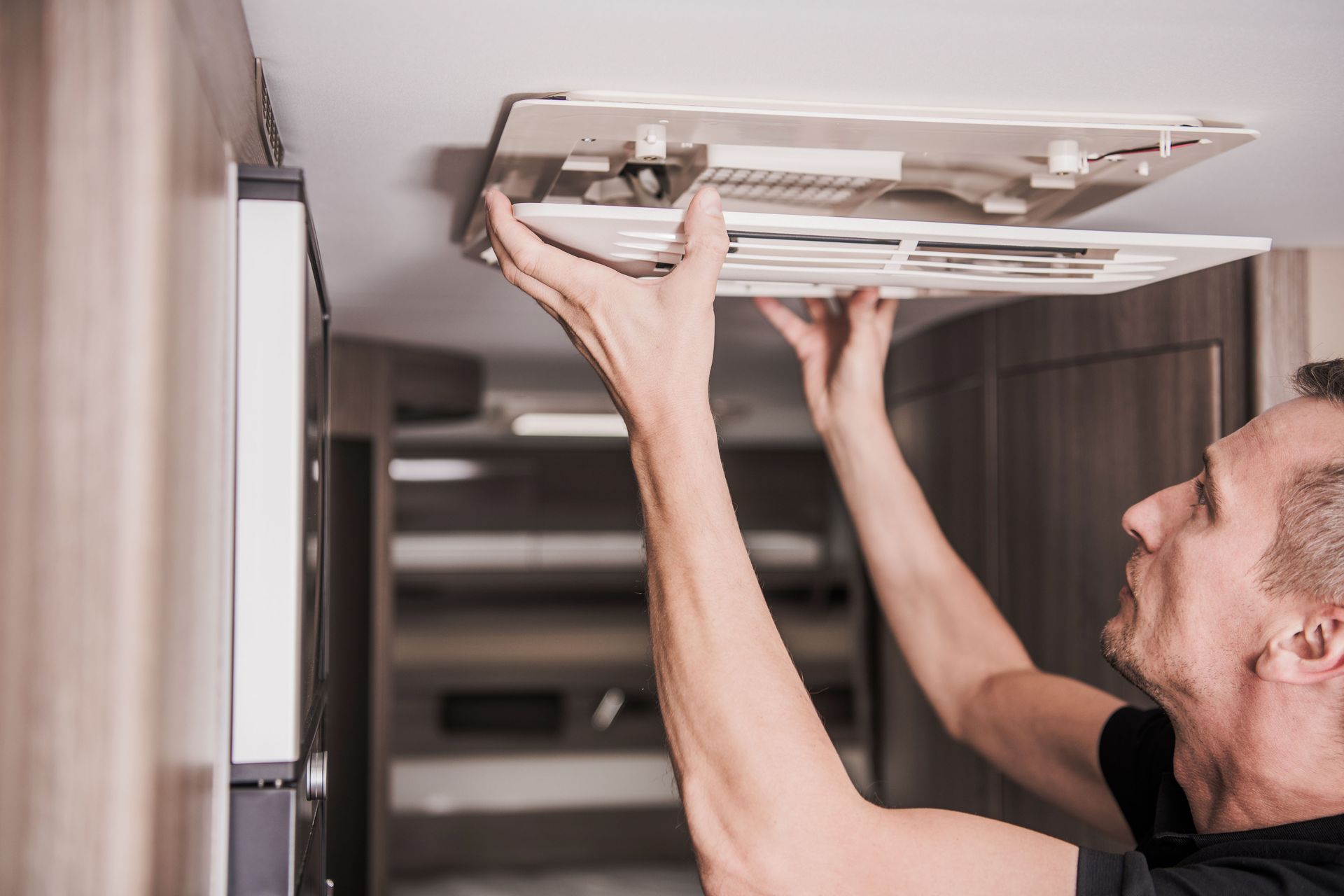
For summer travel, air conditioning systems provide relief from extreme heat, contributing to a pleasant living environment. Roof-mounted units are standard, yet portable units offer versatility, especially in scenarios where external plug-in options are available. Ductless mini-split systems have garnered popularity for their efficiency and quieter operation. Each choice has power consumption implications, necessitating thoughtful assessment based on expected travel locations.
Ventilation Fans and Systems
Cooling can be efficiently improved by upgrading or installing additional ventilation fans within your Airstream. Ceiling fans that promote air circulation help reduce temperature by enhancing airflow without a significant energy draw. Combined with strategically placed vents, these systems can regulate temperature effectively, even in high heat. In tightly insulated units, it's vital to balance airflow to prevent heat concentration and allow for fresh air exchange. Regular maintenance of these systems will ensure their functionality and durability during summer months.
Reflective Awnings and Covers
Awnings provide much-needed shade, curbing direct solar rays and helping maintain cooler temperatures inside your Airstream. Reflective material awnings amplify this effect, bouncing sunlight away and limiting heat gain through windows and walls. Innovative models offer automated retractability, allowing easy management according to weather conditions. Perimeter shade covers work in tandem with awnings, reducing heat absorption and protecting your trailer's exterior from UV damage. Using these solutions strategically enhances your Airstream's efficiency and comfort in the summer sun.
Portable Cooling Devices
Portable cooling devices contribute personal comfort enhancements without requiring full air conditioning systems. Battery-operated fans and small evaporative coolers can lower perception of heat through localized air movement. These devices are especially effective when power sources are limited, or brief cooling relief is required without substantial energy use. Ice-chilled fans and cooled seat covers are other options that provide temporary yet effective cooling solutions. Ensuring readiness with these portable devices can make a significant difference on scorching days.
Energy-Efficient Cooling Practices
Managing energy consumption while ensuring effective cooling is vital for long-term travel sustainability. Simple measures such as installing thermal blinds, utilizing fans during the cooler evening hours, and minimizing direct sunlight entry can drastically reduce power needs. Leveraging natural shade and parking strategically to avoid full sun exposure are pragmatic approaches that underscore energy efficiency. Solar panel systems can complement these practices, serving as sustainable power sources for cooling energy needs. Implementing these strategies ensures comfort without excessive reliance on power-intensive solutions.
Proper seasonal Airstream modifications can significantly enhance travel comfort and safety in your trailer, whether braving the chill of winter or basking in summer's warmth. By implementing these strategies, you can focus more on the adventures that lie ahead, secure in the knowledge that your Airstream is equipped to handle any seasonal challenge. Each thoughtful modification not only preserves vehicle longevity but reinforces the integrity of journey expectations. Embrace these guidelines, and watch them transform your travels into a series of exhilarating and safe experiences, without sacrificing comfort and functionality. If you want to learn more about how
Airstream modifications can enhance your trailer, reach out to D&D Air-Specialist today!