July 7, 2026
Owning an iconic silver trailer brings unparalleled freedom, yet neglecting subtle maintenance issues can quickly destroy your investment. Many owners overlook minor warning signs, assuming their travel trailer is inherently indestructible due to its aluminum shell. However, ignoring small structural or mechanical shifts often triggers cascading failures that require incredibly expensive professional interventions down the road. Staying ahead of these hidden maintenance vulnerabilities ensures your vehicle remains safe, roadworthy, and financially viable for years to come. By understanding the most frequently dismissed maintenance red flags, you can proactively address minor issues with airstream repairs before they spiral into devastating, bank-breaking financial disasters.
Inspecting Exterior Rivets and Panel Seams
Discovering tiny gaps around your trailer's exterior skin is the first step in avoiding catastrophic structural issues. The aluminum shell relies on hundreds of rivets that endure constant vibrations, thermal expansion, and road stress during your travels. Over time, these rivets can stretch, loosen, or shear off entirely, leaving nearly invisible pathways for moisture penetration. When rainwater seeps behind the aluminum panels, it quietly rots the interior floor frame long before showing visible signs inside. Regularly examining the shell for loose rivets prevents these microscopic breaches from translating into structural degradation that requires expensive panel replacements.
Monitoring Interior Plumbing and Pipe Connections
Detecting slow leaks behind cabinetry requires a proactive approach to your vehicle's internal water distribution infrastructure. Because these trailers travel over bumpy roads, the constant vibration frequently loosens threaded plastic fittings and stresses PEX piping connections. A minor drip beneath the kitchen galley or behind the toilet can pool undetected for months on the plywood subfloor. This persistent moisture creates a perfect breeding ground for toxic mold and wood rot, compromising the living environment. Checking your water pump periodically for unexpected cycling is an excellent way to pinpoint hidden pressure drops before they warp your floorboards.
Assessing Axle Alignment and Wheel Bearings
Evaluating the running gear underneath your chassis ensures your towing experience remains smooth and entirely incident-free. Many trailer owners mistakenly assume that axles last forever, but rubber torsion axles naturally sag and lose their dampening abilities over time. Worn axles place immense physical stress on the aluminum body, leading to popped rivets and interior cabinetry pulling away from walls. Additionally, failing to repack wheel bearings annually increases friction, potentially causing spindle damage or catastrophic wheel separation on the highway. Prioritizing suspension inspections shields your wallet from heavy mechanical bills and keeps your towing tracking safe.
Managing Battery Health and Electrical Systems
Understanding the complexity of modern power configurations is essential for preventing premature component failure in your trailer. According to Airstream, the 2025 Trade Wind 23FB includes 810Ah of battery capacity, 3,000W inverter power, and 500W of solar input, which highlights how modern Airstream service often involves electrical and off-grid system knowledge. Neglecting your charging profiles or allowing lithium cells to drop below safe voltage thresholds can ruin expensive power banks. Furthermore, loose grounding wires or corroded terminals can cause erratic appliance behavior or dangerous electrical shorts. Safeguarding these sophisticated systems requires vigilant monitoring to avoid complex, high-tier airstream repairs.
Examining Window Seals and Door Gaskets
Replacing degraded rubber elements around your entryways is crucial for maintaining a weather-tight barrier against the elements. The beautiful panoramic windows that define the silver trailer aesthetic are highly susceptible to perimeter leaks when their specialized gaskets dry out and crack under intense UV exposure. Once the rubber loses its elasticity, driving rain easily bypasses the seal, dripping directly into the interior wall cavities. This hidden moisture path destroys insulation performance and slowly corrodes the aluminum ribs hidden behind your interior skins. Investing time in conditioning these rubber components prevents expensive interior wall teardowns later on.
Evaluating Brake Controller Responsiveness and Wiring
Testing your stopping mechanisms regularly guarantees that your heavy trailer can halt safely during emergency highway maneuvers. The electric brakes inside your drum assemblies experience significant friction wear, requiring periodic manual adjustments to maintain optimal stopping power. Furthermore, the exposed wiring harness running along the underbelly can become snagged by road debris, leading to severed connections or intermittent ground faults. If your trailer brakes fail to engage properly, your tow vehicle bears the entire stopping burden, accelerates brake pad wear, and increases your risk of jackknifing. Keeping these connections pristine prevents catastrophic accidents.
Protecting the Subfloor From Hidden Moisture
Identifying soft spots beneath your luxury vinyl tiles is paramount to preventing total interior demolition projects. The traditional plywood subfloor used in many vintage and late-model trailers is highly vulnerable to rot whenever water breaches the exterior perimeter. Because the flooring material covers the wood, you might not notice a leak until your foot literally sinks into the floorboards. Repairing a rotted subfloor requires removing cabinetry, lifting the shell, and spending thousands of dollars at a specialized workshop. Executing routine perimeter checks allows you to execute minor airstream repairs before rot spreads.
Maintaining Sealants on the Roof Layout
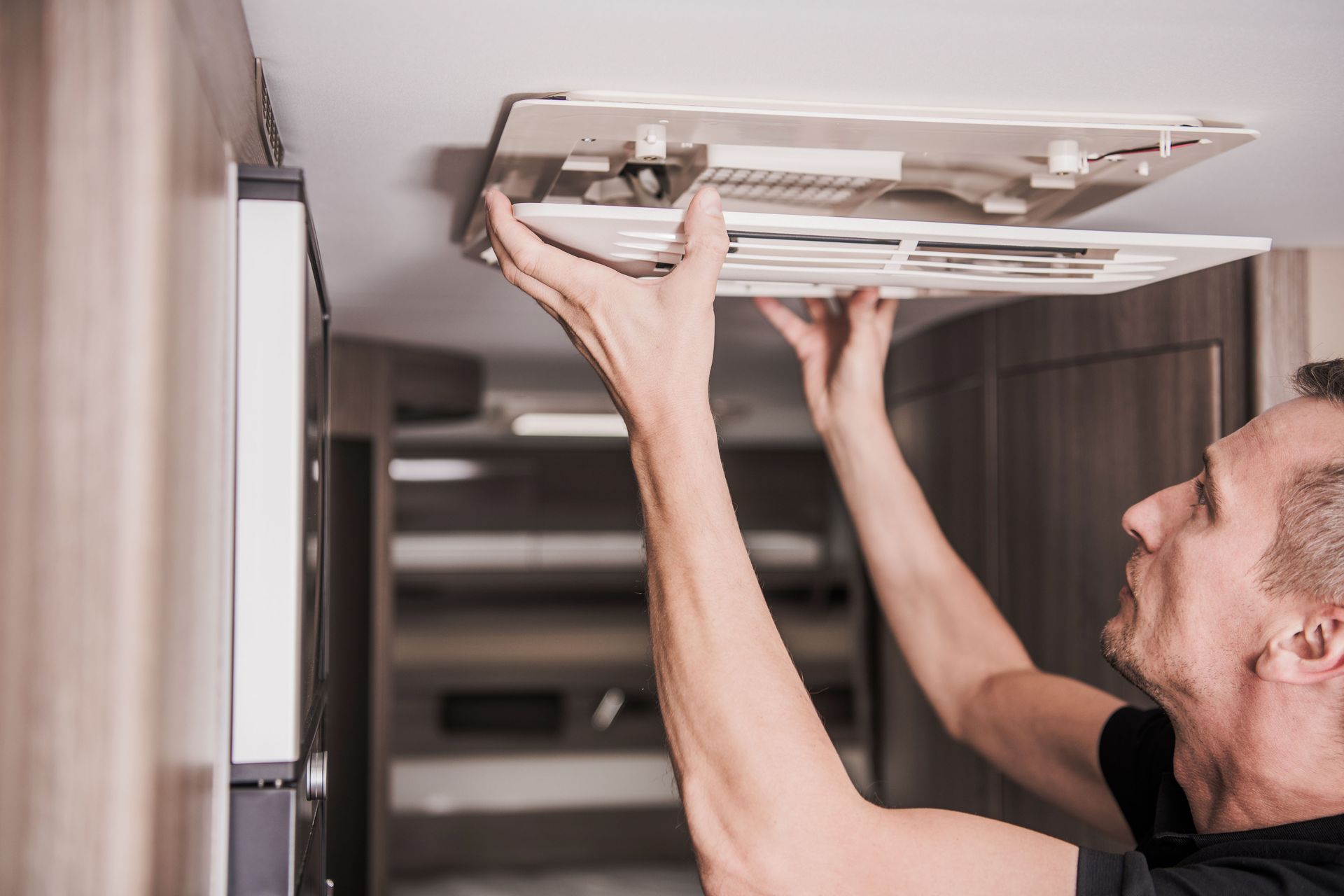
Scrutinizing the various penetrations on your roofscape is necessary because roof sealants degrade much faster than side panels. The vents, air conditioning units, solar brackets, and plumbing stacks all require flexible sealant layers to keep water out. Ultraviolet radiation, hail, and extreme temperature swings cause these sealants to dry, crack, and pull away from the aluminum substrate. A compromised roof seal allows water to travel along the interior ceiling liner, pooling in unexpected areas far from the original leak source. Consistently refreshing these roof barriers eliminates the need for expensive airstream repairs and ceiling reconstructions.
Checking Hold-Down Bolts and Outriggers
Analyzing the structural connection between your aluminum body and the steel chassis ensures long-term vehicular integrity. Hold-down bolts run through the perimeter channel, securing the shell, subfloor, and frame together into a cohesive, rigid unit. If these bolts rust away due to road salt exposure, the body can shift independently from the frame during transit. This movement causes extreme stress concentrations, resulting in wrinkled exterior skins and buckled interior aluminum panels. Inspecting the underbelly outriggers prevents structural separation, ensuring you avoid the most complicated and expensive airstream repairs imaginable.
Treating Frame Corrosion and Underbelly Rust
Combating oxidation on the steel chassis prevents structural failure from compromising the safety of your travel trailer. The steel frame is continuously exposed to road moisture, debris, and winter de-icing chemicals, which can quickly initiate aggressive rust formation. If left untreated, surface rust transforms into deep pitting, weakening the main frame rails that support the entire weight of your trailer. Periodically painting exposed steel and washing the underbelly after road trips blocks the chemical processes that cause rust. Catching corrosion early prevents frame failure, saving you from complex structural welding bills.
Testing LP Gas Lines and Regulator Functions
Verifying the integrity of your propane distribution network is vital for ensuring operational safety and appliance efficiency. Propane hoses are made of rubber compounds that eventually dry out, split, or become chewed by nesting rodents during winter storage. A micro-leak in your gas lines not only wastes fuel but also poses a severe fire hazard inside your enclosed living quarters. Additionally, a malfunctioning two-stage regulator can supply incorrect pressure to your refrigerator, furnace, and water heater, causing appliance soot buildup or premature component failure. Testing connections with soapy water prevents dangerous system malfunctions.
Preserving the legacy of your iconic silver trailer requires a commitment to identifying and resolving minor maintenance concerns early. Neglecting small warning signs like loose rivets, dry gaskets, or frame surface rust eventually leads to astronomical repair bills. Prioritizing routine inspections and understanding how modern electrical configurations impact your system's health keep your trailer operating smoothly. By taking a proactive stance toward maintenance, you protect your financial investment and ensure your vehicle remains road-ready. Ultimately, investing minimal time into minor adjustments today saves you from devastating, budget-breaking structural airstream repairs tomorrow. Are you seeking expert airstream repairs in the Riverside, CA area? The professionals at D&D Air-Specialist are ready to assist! Call today to schedule an appointment.